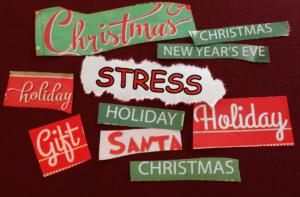
As the year draws to a close, many people begin to notice a familiar pattern: rising tension, shorter patience, difficulty concentrating, and a general sense of being overstretched.
This isn’t a personal failing — it’s a natural response to months of cumulative stress layered with the unique pressures of the holiday season.
With workplaces racing to meet deadlines, children gearing up for school holidays, shops overflowing with decorations, sales messaging, crowded spaces, constant advertising, and a soundtrack of Christmas carols playing on repeat, our systems are exposed to significant sensory, mental, and emotional overload.
For many, this time of year doesn’t feel festive at all — it feels intense.
Understanding what’s happening in the nervous system can help you navigate the next few months with more clarity, compassion, and choice.
The Multiple Layers of End-of-Year Stress
1. Overstimulation from the environment
From early November onwards, our senses are bombarded:
- Bright Christmas decorations and flashing lights
- Constant sales messaging and promotions
- Busy shopping centres with heavy sensory input
- Crowded streets and louder-than-usual public spaces
- Christmas music and carols (which, for some, can feel like an auditory assault)
This level of visual and auditory input pulls your nervous system towards a state of hyperarousal. Even if you think you’re “coping”, your body will be processing far more stimulation than usual.
2. Workplaces pushing for end-of-year deadlines
Many businesses rush to “finish everything” before 20–24 December. This often leads to:
- Increased meetings
- Compressed timelines
- Unrealistic expectations
- Higher emotional tone among staff
- Less recovery time during the week
Even people who usually manage stress well can find this exhausting.
3. Mental load for parents and carers
The lead-up to school holidays means:
- End-of-year performances, sports days, assemblies
- Term wrap-ups
- Planning for holiday care
- Supporting tired children at the end of a long school year
This adds layers of emotional and logistical strain.
4. Gift giving and social expectations
If December includes gift giving or family events in your culture, you may also be navigating:
- Financial pressure
- Emotional triggers
- Family dynamics
- Social expectations
- Decision fatigue (what to buy, plan, cook, organise)
All of these draw from the same limited well of energy.
5. Accumulated stress from the year itself
By November, most of us have been “holding it together” for nearly 12 months. Medical research suggests that 60–90% of primary care visits have a stress-related component, meaning chronic stress quietly affects our physical and emotional health far more than many people realise.
How Chronic Stress Affects Your Whole Life
Physical health
- Fatigue
- Muscle tension
- Headaches
- Lower immunity
- Digestive issues
- Higher inflammatory load
Emotional wellbeing
- Irritability
- Heightened reactivity
- Emotional exhaustion
- Difficulty switching off
- Reduced sense of joy

Relationships
Stress also reduces our capacity for patience, empathy, humour, and connection — which can strain relationships right when we need them most.
This is why resetting your nervous system isn’t indulgent — it’s essential.
Practical Ways to Support Your Nervous System (You Can Start Today)
Here are some strategies that may help you regulate before the seasonal pace accelerates — chances are you’re already familiar with most of them, so take this as a gentle reminder.
1. Reduce sensory load where you can
- Lower background noise at home (no TV “running in the background”).
- Use noise-reducing headphones in busy environments.
- Dim overhead lights and use softer lamps in the evening.
- Step outside briefly when you feel overwhelmed in shops or events.
Even tiny reductions in sensory input create meaningful shifts.
2. Build micro-pauses into your day
Short, intentional moments help reset the stress response system:
- Slow, gentle breathing
- Letting out an audible sigh
- Noticing your feet on the ground
- Relaxing your jaw and shoulders
- Taking a 30-second “eyes closed” pause
These micro-regulations prevent overwhelm from accumulating.
3. Simplify your commitments
Consider:
- Saying no to optional events
- Delegating one task each week
- Culling your gift/card list
- Shopping online where you can
Protecting capacity is one of the kindest things you can do for your nervous system.
4. Simplify your digital world
Digital overload contributes to nervous system stress.
- Unsubscribing from unwanted newsletters (not mine, of course 😊)
- Being realistic about how many emails you can reply to
- Clearing notifications
- Unselecting “unread”, filing or deleting anything that isn’t essential
Your nervous system thrives with less digital noise.

5. Move your body — gently or vigorously
Gentle movement supports regulation, but sometimes a good cardio workout provides a powerful reset.
A sweaty cardio session can:
- Boost endorphins
- Improve sleep
- Clear mental fog
- Reduce stress hormones
Just make sure it’s right for your body and something you genuinely enjoy — everyone is different.
6. Prioritise sleep supportively
Rest is the foundation for resilience.
- Reduce screen brightness in the evening
- Keep a consistent bedtime
- Use rituals that help down-regulate (herbal tea, warm shower, dim lights)
- Listen to soft music or a guided meditation before sleep
Try to put your devices down at least 15 minutes before your retire (1 hour is even better). Reducing evening screen exposure supports your circadian rhythm and improves sleep depth.
7. Schedule at least one restorative experience now
Intentional rest interrupts the cycle of chronic activation.
- A sound bath
- A guided meditation
- A walk in nature
- A restorative yoga session
- A bubble bath
Choose one small thing now that your future self will be grateful for.
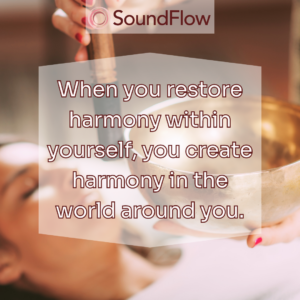
How Sound Healing Helps During Overstimulation and End-of-Year Stress
This period is the perfect time to enjoy the benefits of sound therapy.
Sound healing supports:
- Reduced cortisol levels
- Activation of the parasympathetic nervous system (move out of “fight/flight/freeze”)
- Lower sensory overwhelm (darkened room, minimal visual input)
- A safe environment to emotionally unwind
- A shift into alpha and theta brainwave states of deep relaxation
- Better sleep and mental clarity
Many describe sound baths as a way to “press reset” on their entire system — something especially valuable before December begins.
And I often say:
A sound bath is one of the only times you’re encouraged to lie down and do absolutely nothing — to simply be a soft, peaceful blob.
Even if the sound did nothing for you (although it will), doing nothing is profoundly restorative.
If You’ve Been Feeling Overloaded, You’re Not Alone
Everything you’re feeling is understandable — and common. The pressure, the noise, the mental and emotional load, the deadlines, the expectations… it accumulates.
A nervous system reset now helps you:
- Enter December calmer
- Set up the new year
- Navigate challenges more gracefully
- Protect your energy
- Restore your emotional balance
- Feel more like yourself again
(And yes — another sound bath in December would be optimal!)
Upcoming Sound Flow Sessions
Whether you’re drawn to the gentle release of the Classic Sound Bath, the deep immersion of the Deep Sound Bath, or the tranquil, floating experience of the Aerial Sound Bath, each session is crafted to help calm overstimulation, support the vagus nerve, and bring the whole system back into balance.
Prefer something more intimate or personalised?
You can also book:
- A private sound healing session in Castle Hill
A deeply personalised, immersive session tailored to your physical, emotional, and energetic needs.
Can’t leave the house or office?
- Book an online energy healing session
A calming combination of guided relaxation, meditation, and energetic support — tailored entirely to you.
Book your next moment of calm here:
Make this the year you enter December feeling nourished, grounded, and supported.