Snoring & Other Noises in Sound Baths: Why It’s Not a Problem (and How to Relax Fully Into Your Sound Journey)
One of the most common concerns people express before a guided sound journey is the fear of snoring. Many participants worry they’ll “ruin the ambience,” disturb someone nearby, or embarrass themselves if they drift off a little too deeply. Others feel unsure how to respond when someone else is snoring beside them.
These are very normal worries — but they should never prevent anyone from relaxing fully or receiving the therapeutic benefits of a sound bath. In reality, snoring (and external noise in general) can be integrated beautifully into the experience.

I Always Give a Snoring Disclaimer… Except the One Time I Didn’t
As a facilitator, I always open each session with a short grounding introduction. Part of that includes addressing the elephant in the room with reassurance that snoring is absolutely fine. I explain that I have strategies for weaving it into the soundscape — such as adjusting the tonal field around someone or playing an instrument near them.
I often add with a touch of humour that I move through the room during every session anyway, and: “Just because you hear me playing an instrument over your head, or think you hear me trip near you, doesn’t mean it’s because of snoring. These are things I do in sound baths regardless (hopefully not the tripping part!).”
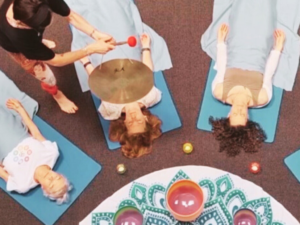
The message is simple and important: Let go. Be in the moment. Turn your attention inward. Focus on your comfort and needs.
Recently, however, I forgot to give my usual snoring disclaimer — the first time in years. Afterwards, someone mentioned they stayed on their side the whole time because they feared they might snore. They still had a meaningful experience, but I wished they’d felt completely free to lie back and surrender. Their feedback inspired this article — because no-one should feel restricted by the fear of snoring.
Snoring and External Sound Can Be Part of the Healing Journey
Turning Distraction Into Part of the Practice
In mindfulness teachings, external sound is seen as part of the present moment, not an interruption. This perspective turns what might seem like a “distraction” into an unexpected doorway to deeper presence.
I like to invite participants to notice sound with curiosity, acknowledge whatever response arises, and gently return their attention to their breath, body sensations, or the tones of the instruments. It’s not just about listening with your ears, it’s tuning in with your whole being.
This approach often reduces stress, softens irritation, strengthens attention, and deepens the therapeutic effect of the sound journey.
What Is Snoring?
Snoring simply happens when air flows past relaxed tissues in the throat, causing them to vibrate. When someone enters a deep, restful state — especially lying on their back — the muscles of the throat soften and the vibration becomes audible. Snoring is a natural sign that the body feels safe enough to drop into deeper rest.
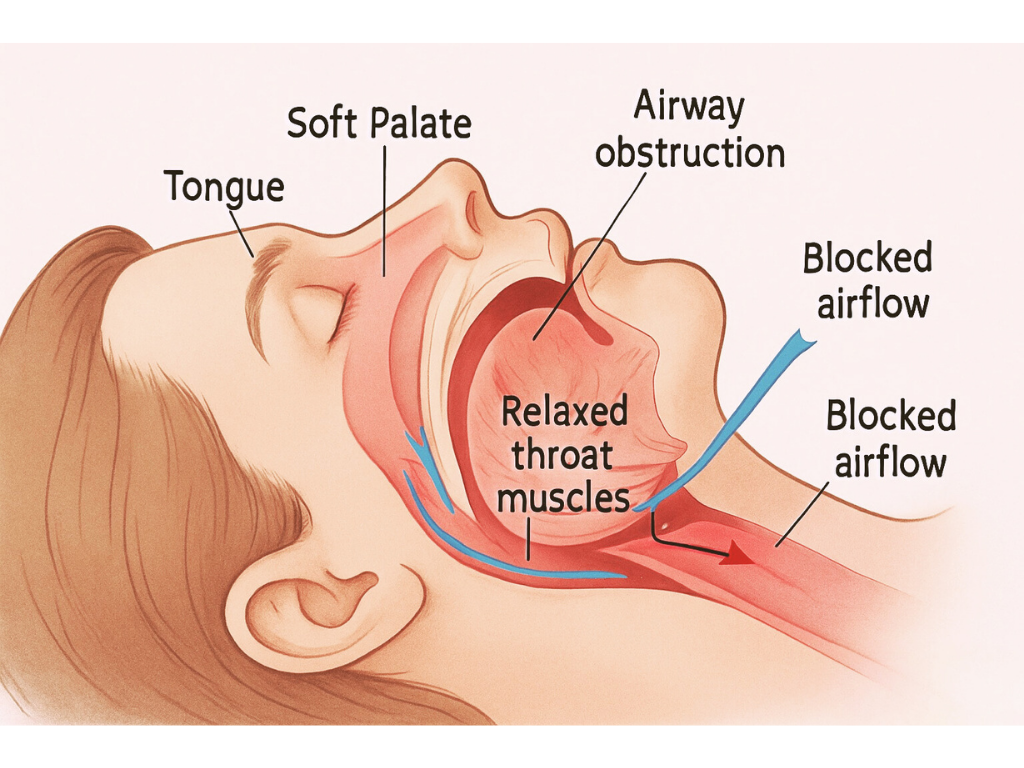
A quick note: I’m referring here to the everyday, harmless type of snoring that can happen when someone relaxes deeply in a sound bath. This is very different from sleep apnoea or medical conditions where snoring may be a sign of something more serious.
My Approach as a Sound Facilitator: Collaborating With the World Around Me
Across hundreds of sound sessions — in studios, offices, community spaces, near busy roads, by hospitals, outdoors — I’ve learnt to collaborate with whatever enters the auditory landscape.
Some memorable guest appearances include crashing plates from a catered event down the hall (my 40-inch gong and I rose to match the drama), conversations right outside the door(!!), ambulances, helicopters, construction noise, Motorbike Man from the Awareness Institute days who timed his departure exactly mid-meditation, and of course, Mother Nature — wind, storms, rain, birds, and thunder. I genuinely love when the weather joins in. It feels like the natural world is co-facilitating the journey.
How I Respond in the Moment
I adjust volume, rhythm, or instrument choice to blend or soften external noise. I may pause altogether, letting the external sound pass before building a new layer of the soundscape. This is particularly special when the sound is a natural one (birdsong, wind, thunder – I love it!).
Most of all, I remain energetically grounded; years of experience mean very little unsettles me now, and holding steady helps the whole room drop in and opens me to ways of working with rather than against any noise.
A Note on Movement and Physical Space
I move around the room during sound sessions — often immersed in rhythm, intuition, or vocalisation — but I carefully avoid physical touch. Many people enter deep states where even light contact can startle them or pull them out. Protecting that depth is essential. So if you hear me nearby, it’s simply part of how I weave the soundscape — not a response to snoring or anything you’re doing.
What to Do If Someone Near You Is Snoring: A Practical Checklist
1. Adjust your position
A small shift — bending a knee, turning your head slightly — can change how sound reaches you. If you think you’re the one snoring, lying on your side can be helpful.
2. Pair your breath with sound
Let your inhale and exhale blend naturally with the tones or rhythms you enjoy most.
3. Redirect your focus intentionally
Choose a focal point such as the gong, bowls, your breath, or your heartbeat.
4. Use a “soft-focus” approach
Widen your awareness to the full soundscape instead of the single sound.
5. Label, then release
Naming irritation (“annoyance”, “distraction”) is proven to reduce its physiological intensity. This is actually an evidence-based technique.
6. Remember the practitioner can hear it too
If you notice an unexpected or irritating sound, the sound practitioner most likely hears it as well. A formally trained, experienced practitioner is skilled in managing or blending external noise. Let go and trust that they are already handling it — it’s part of what they’re trained to do and what they’re there for.
7. Choose compassion
Snoring almost always means someone has reached a deep state of rest — the very goal of the session. You may choose to tune into the vibe of their relaxation.
8. Let the soundscape absorb it
Most noises quickly merge into the vibration of the room. Let the instruments carry you.

Why Snoring Isn’t Disruptive — It’s a Sign of Deep Rest
Snoring can indicate the nervous system has shifted into parasympathetic rest, breath has deepened, and the body feels safe. Research consistently shows that therapeutic sound slows heart rate, reduces stress hormones, and supports restorative states. If someone snores, the sound journey is doing its work.
Final Thoughts: Relax, Let Go, Trust the Experience

Snoring is not an inconvenience in a sound bath. Nor are sirens, footsteps, conversations, storms, or the gentle collaboration of Mother Nature. A sound journey invites you to tune into your inner landscape, allow yourself comfort, surrender into sound, release self-consciousness, and trust the facilitator. If you drift into sleep or snoring, your body is simply doing what it needs most. You deserve deep, restorative rest.
Want to experience a deeply relaxing sound journey? Click here for Sound Flow Sydney events.